
What Is a Lower Eyelid Blepharoplasty?
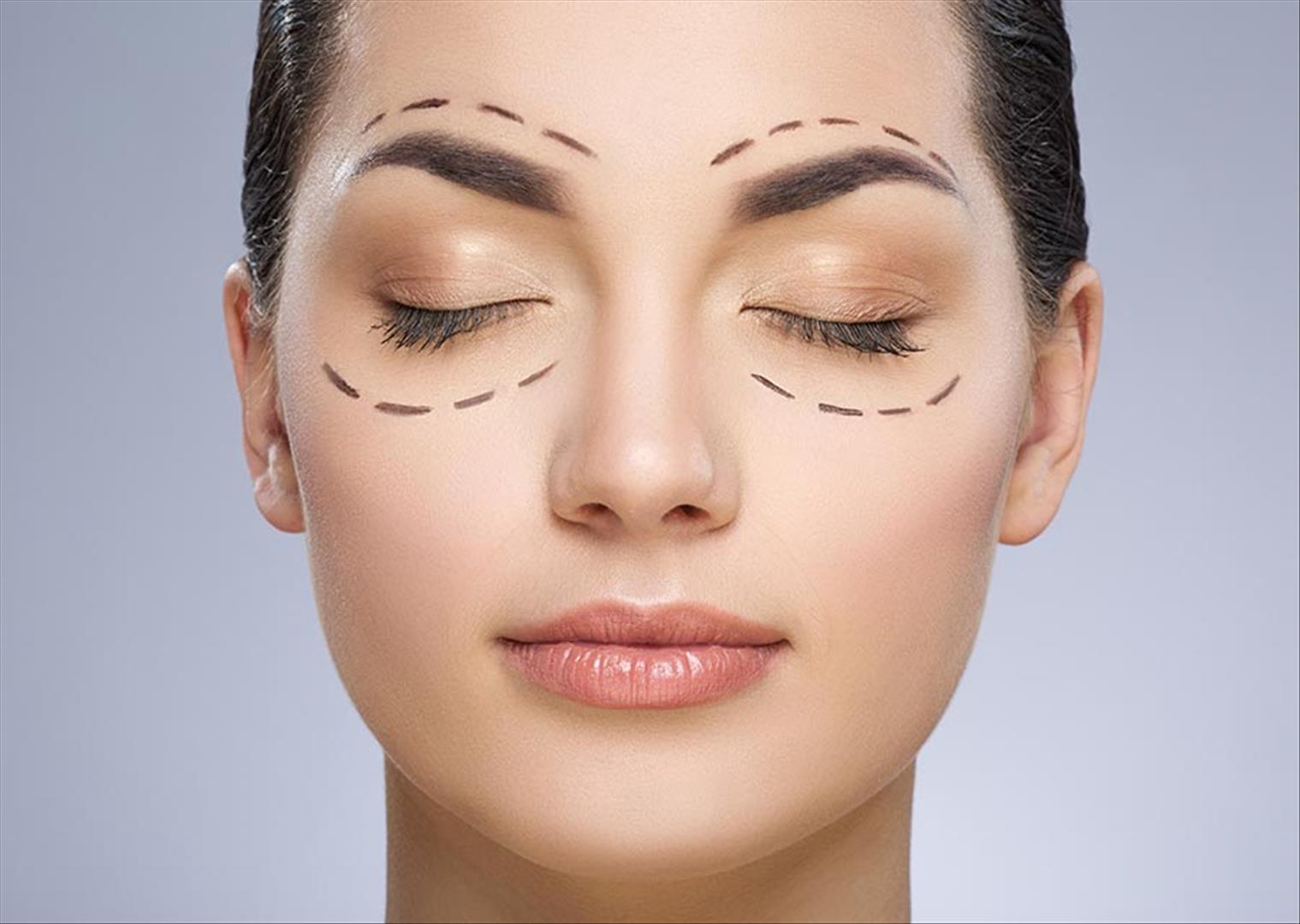
Lower eyelid blepharoplasty is a surgical procedure performed to restore a youthful and refreshed appearance to the lower eyelids. The goals of surgery include smoothing the lower eyelid–cheek junction, reducing or repositioning protruding orbital fat (“eye bags”), correcting hollowness and depressions beneath the eyes, and improving excess skin and wrinkles when present. Modern lower blepharoplasty focuses not only on removing excess tissue, but also on restoring natural eyelid contours while preserving a balanced and youthful appearance.
How Is Lower Eyelid Blepharoplasty Performed?
Lower eyelid blepharoplasty may be performed as an outpatient procedure under local anesthesia with sedation or under general anesthesia.
Two principal surgical approaches are used:
Transconjunctival (Internal) Approach
The transconjunctival approach involves an incision made on the inner surface of the lower eyelid, leaving no visible external scar. This technique is particularly well suited for younger patients who have prominent lower eyelid fat bulges without significant excess skin. Through the internal incision, protruding orbital fat may be removed or repositioned to improve the contour of the lower eyelid. Because the incision is located inside the eyelid, sutures are generally not required.
Transcutaneous (Subciliary) Approach
The subciliary approach involves a fine incision placed just beneath the eyelashes of the lower eyelid. This technique allows treatment of excess skin, laxity of the orbicularis oculi muscle, and more advanced age-related changes affecting the lower eyelid and cheek. The subciliary approach provides broader surgical exposure, enabling release of retaining ligaments and correction of conditions such as tear trough deformities, infraorbital hollowing, malar mounds, and festoons. Protruding orbital fat is commonly repositioned over the infraorbital rim to create a smooth transition between the lower eyelid and cheek while minimizing postoperative hollowness. When indicated, support procedures such as orbicularis muscle suspension and lower eyelid tightening may be performed to reinforce lower eyelid support and reduce the risk of postoperative eyelid malposition. Excess skin is conservatively trimmed, and the incision is closed with fine sutures.
What Can I Expect After Surgery?
Mild to moderate swelling and bruising are expected after surgery. Cold compresses are commonly applied during the first 48 hours to help reduce swelling and ecchymosis.
The degree of swelling and bruising varies among patients, but most visible signs of surgery improve substantially within 7–10 days. Residual swelling may continue to improve gradually over several weeks.
Will I Have a Bandage or Dressing?
A dressing is generally not required after lower eyelid blepharoplasty. Following an external approach, adhesive skin strips may be applied temporarily and removed within several days. Antibiotic ointment is typically applied to the incision line for approximately one week.
Lubricating eye drops and artificial tears may also be recommended during the early postoperative period to reduce dryness and irritation.
Will My Sutures Need to Be Removed?
If an external (subciliary) incision is used, skin sutures are typically removed approximately 5–7 days after surgery.
Will I Have Pain After Surgery?
Lower eyelid blepharoplasty is generally associated with minimal discomfort. Most patients experience only mild soreness or tightness, which is usually well controlled with oral pain medication for a few days after surgery.
Will There Be a Visible Scar?
Any skin incision results in a scar. However, the subciliary incision is carefully placed immediately beneath the eyelashes, where it is typically very well concealed. After complete healing, the scar is often difficult to detect.
The transconjunctival approach leaves no visible external scar.
When Can I Return to Work?
Recovery is generally rapid. Most patients are able to resume light daily activities within 1–3 days. Depending on the degree of bruising and swelling, patients typically feel comfortable returning to work and social activities within approximately 7–10 days.
When Can I Wear Makeup?
Makeup may generally be applied approximately 5–7 days after surgery, once the incision has healed sufficiently and after suture removal when applicable.
How Long Do the Results Last?
Although lower eyelid blepharoplasty cannot stop the natural aging process, its results are typically long-lasting. The longevity of the outcome depends on individual factors such as genetics, skin quality, lifestyle, sun exposure, and the ongoing effects of aging. Improvements often remain noticeable for 10–15 years or longer.