|     |  

Academic Highlights

• Author of the “Surgical Facial Rejuvenation” Chapter in the Oxford Textbook of Otorhinolaryngology

• Meeting Director, Invited Speaker, Panelist, and Live Surgery Instructor at international scientific meetings on facial rejuvenation surgery across Europe, North America, South America, Asia, and the Middle East

• Guest Editor, Facelift Special Issue, Facial Plastic Surgery (2022)

• Chair, Rejuvenation Focus Group, European Academy of Facial Plastic Surgery (EAFPS) (2015–2022)

• Board Member, European Board of Certification in Facial Plastic and Reconstructive Surgery (2018–2022)

• Fellowship Program Director, European Academy of Facial Plastic Surgery (EAFPS) (2013–2024)

• Fellowship Program Director, International Federation of Facial Plastic Surgery Societies (IFFPSS) (2022–2024)

• Peer Reviewer for International Journals in Facial Rejuvenation Surgery
(Aesthetic Surgery Journal, Aesthetic Surgery Journal Open Forum, Facial Plastic Surgery, Journal of Plastic, Reconstructive & Aesthetic Surgery)


Selected Publications

1. Cakmak O, Kavak OT. Management of the Heavy Neck in the Ethnic Patients. Facial Plastic Surgery (in press).


2. Cakmak O, Buyuklu F, Kaya KS, Babakurban ST, Boghari A, Tunali S. Anatomical Insights on the Cervical Nerve for Contemporary Face and Neck Lifting: A Cadaveric Study. Aesthet Surg J, 2024; 15; 44(8): NP532-NP539.


3. Boghari A, Cakmak O. Deep Neck Contouring: Indications and Techniques. Facial Plastic Surgery, 2025; 41(1):29-42. 


4. Cakmak O, Buyuklu F, Kolar M, Whitehead DEJ, Gezer E, Tunalı S. Deep Neck Contouring with a Focus on Submandibular Gland Vascularity: A Cadaver Study. Aesthet Surg J. 2023; 43(8): 805-816. (Commentary by Mc Clearly SP and Roostaeian J, 817-819).


5. Cakmak O, I Emre. Modified Composite Plane Facelift with Extended Neck Dissection. Facial Plast Surg. 2022 Dec;38(6):584-592.


6. Kaya KS, Cakmak O. Facelift Techniques: An Overview. Facial Plast Surg. 2022 Dec;38(6):540-545.


7. Whitehead DEJ, Cakmak O. Face and Neck Lift Options in Patients of Ethnic Descent. Facial Plast Surg Clin North Am. 2022: 30(4);489-498.


8. Cakmak O. Facelift. Facial Plast Surg. 2022 Dec;38(6):539.


9. Cakmak O, Review of Dr. Andrew Jacono's Book: The Art and Science of Extended Deep Plane Face Lifting and Complementary Facial Rejuvenation Procedures. Facial Plast Surg. 2022 Apr;38(2):218.


10. Cakmak O, Emre IE. An Update on Subciliary Lower Eyelid Blepharoplasty.  Facial Plast Surg. 2021; 37(2):198-204.


11. Cakmak O, Emre IE. Surgical anatomy for extended facelift techniques, Facial Plast Surg. 2020; 36(3):309-316.


12. Cakmak O. Clarification regarding the modified finger-assisted malar elevation (FAME) technique. Aesthetic Surgery Journal, 2019; 39 (5), 161-162 (Response by Brian Mendelson, 163-164).


13. Cakmak O, Over-cropped figure obstructing the modified finger-assisted elevation technique, Aesthetic Surgery Journal. 2019; 39(10): NP440.


14. Cakmak O, Ozucer B, Aztekin M, Ozkurt FE, Al-Salman R, Emre IE. Modified composite-flap facelift combined with FAME: A cadaver study. Aesthetic Surgery Journal, 2018; 38 (12), 1269-1279. (Commentary by Marc Mani, 1280-1283, Commentary by Brian Mendelson, 1284-1288)


15. Cakmak O, Emre IE, Ozucer B. Surgical approach to the thick nasolabial folds, jowls and heavy neck. Facial Plastic Surgery. 2018; 34(1): 59-65.


16. Emre IE, Cakmak O. Aging face, an overview – Aetiology, assessment, and management. The Otorhinolaryngologist, 2013; 6(3): 160–166.


17. Cakmak O, Turkoz HK, Polat S, Serin GM, Hizal E, Tanyeri H. Histopathologic response to highly purified liquid silicone injected intradermally in rat’s skin. Aesthetic Plast Surg. 2011; 35(4):538-44.


18. Altintas H, Odemis M, Bilgi S, Cakmak O. Long-term complications of polyethylene glycol injection to the face. Aesthetic Plast Surg. 2012; 36 (2): 427-30.


19. Babakurban ST, Cakmak O, Kendir S, Elhan A, Quatela VC. Temporal branches of the facial nerve and their relationships with the fascial layers. Arch Facial Plastic Surg, 2010, 12 (1), 16-23.



Facelift

What is a facelift?

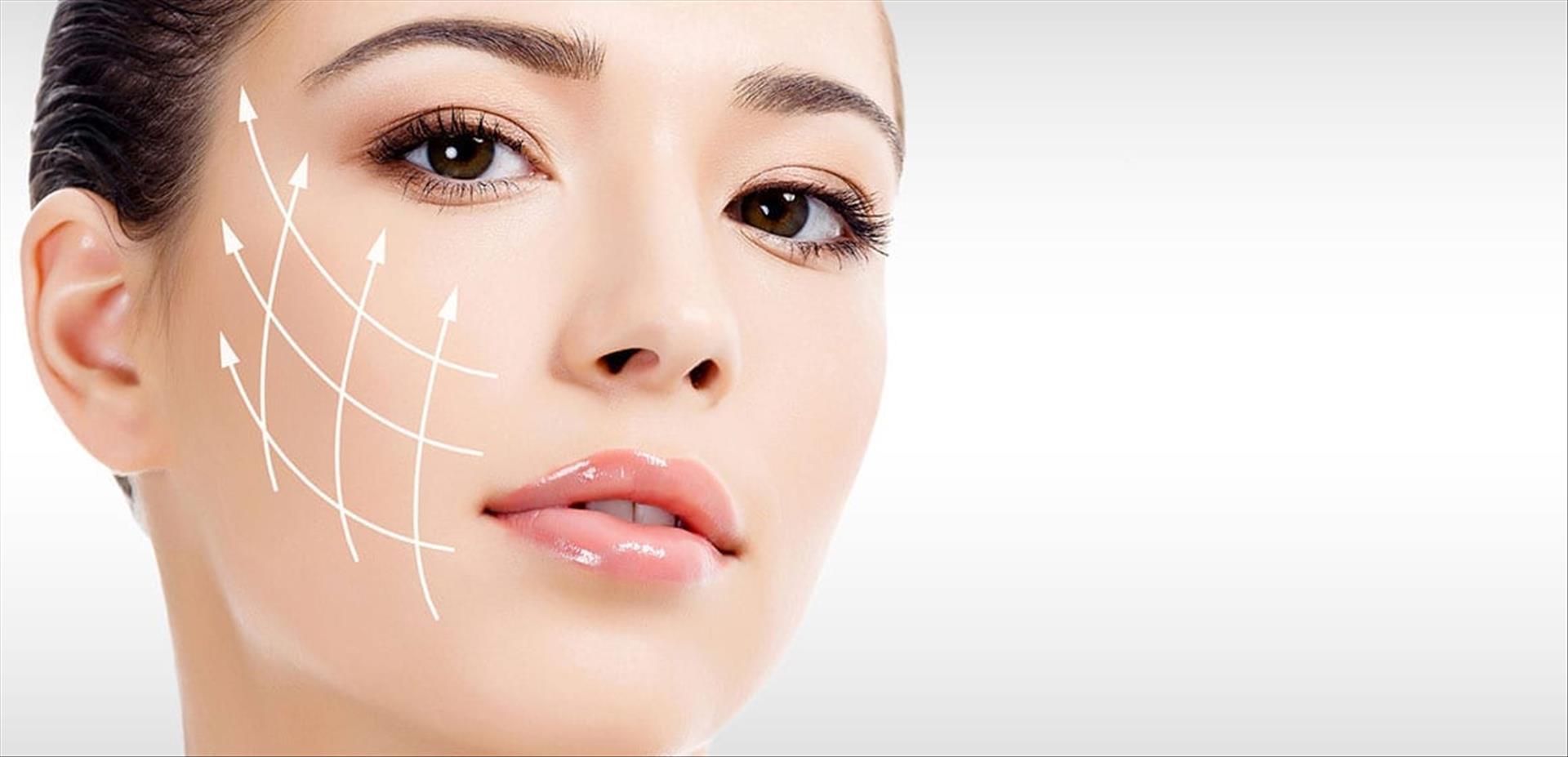
A facelift is a surgical procedure designed to restore youthful facial contours by repositioning descended facial and neck tissues toward their natural anatomical position. Rather than simply tightening the skin, modern facelift surgery addresses the deeper structural changes responsible for facial aging, resulting in more natural, balanced, and long-lasting rejuvenation.

How is facelift surgery performed?

Facelift surgery is performed under either intravenous sedation or general anesthesia.

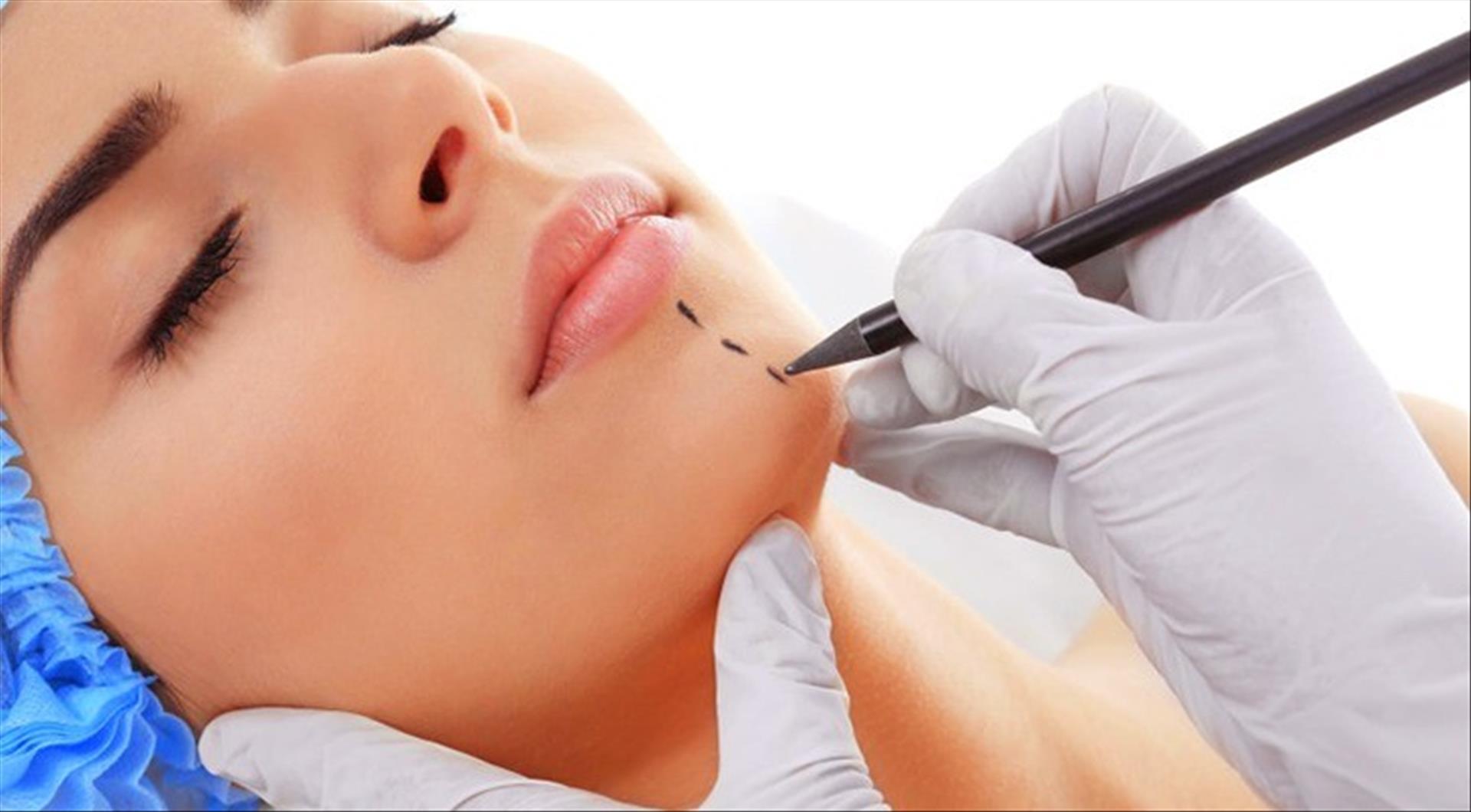
The incision typically begins within the sideburn area, extends along the natural crease in front of the ear, continues around the earlobe, and then curves behind the ear into the hair-bearing scalp. In women, the incision usually follows a post-tragal course, whereas in men it is generally placed in front of the tragus to avoid transferring beard-bearing skin into the ear canal. After the skin is elevated, the deeper facial support layer known as the SMAS (Superficial Musculoaponeurotic System) is identified and mobilized. Depending on the technique used, the SMAS and deeper facial tissues are repositioned and secured to restore youthful facial contours.

When indicated, neck contouring procedures may be performed simultaneously. These may include liposuction, platysma muscle tightening, treatment of deeper neck structures, and removal of excess skin to optimize jawline definition and neck contour.


Does an extended facelift technique provide superior results compared with a traditional facelift?

The face contains retaining ligaments that anchor the skin, subcutaneous fat, and SMAS to the underlying facial skeleton and deep fascia. These ligaments help support the facial soft tissues against the effects of gravity. With aging, attenuation of these retaining ligaments contributes to descent of the facial soft tissues, leading to many of the visible signs of aging. If these ligamentous attachments are not adequately released during facelift surgery, lifting forces may not be effectively transmitted to the midface. As a result, improvement may be limited to the lower face and neck while the cheeks and nasolabial folds remain relatively unchanged.

Extended facelift techniques, such as deep plane and composite plane facelifts, involve surgical release of the retaining ligaments of the midface. This allows lifting forces to be transmitted directly to the descended malar fat, restoring cheek projection, softening nasolabial folds, and producing balanced rejuvenation of the midface, cheeks, jawline, and neck without requiring a separate midface lift procedure.

Attempts to compensate for untreated midface descent with excessive fat grafting may occasionally result in an overfilled or unnatural appearance. By directly addressing the anatomical cause of facial aging, extended facelift techniques generally produce more harmonious and natural-looking results.


Are deep plane and composite plane facelifts more dangerous than other facelift techniques?

Preservation of the facial nerve is one of the most important aspects of facelift surgery. Safe performance of extended facelift techniques requires a thorough understanding of facial anatomy, retaining ligaments, tissue planes, and facial nerve relationships.

When performed by a surgeon with extensive experience in facial anatomy and advanced facelift surgery, deep plane and composite plane facelifts can be performed safely and predictably. In experienced hands, meticulous anatomical dissection often allows important structures to be directly identified and preserved, reducing the risks associated with blind dissection around critical anatomy.


Which technique does Dr. Özcan Çakmak prefer, and why?

Dr. Özcan Çakmak's preferred approach is his Modified Composite Plane Facelift with Extended Neck Dissection, originally described in the Aesthetic Surgery Journal in 2018. Conceptually similar to a deep plane facelift, this technique incorporates the lower portion of the orbicularis oculi muscle into the composite flap, creating a stronger and more effective lifting construct for repositioning the descended malar fat and restoring youthful midfacial contours. Extension of the deep-plane dissection into the neck, combined with platysma suspension, allows effective improvement of neck contours and jawline definition. When indicated, treatment of deeper neck structures may also be performed to restore a sharper jawline and a more youthful cervicomental angle.

By simultaneously rejuvenating the midface, cheeks, jawline, and neck, this technique produces balanced and harmonious facial rejuvenation without requiring a separate midface lift procedure. The objective is not to create an operated appearance but rather to restore youthful facial contours while preserving each patient's natural characteristics.


What can I expect after surgery?

Most patients experience mild to moderate discomfort following surgery, which is usually well controlled with oral pain medication.

Swelling and bruising vary among individuals but are generally modest. Most bruising significantly improves within the first week, and the majority of swelling subsides within 1–2 weeks.

Although patients typically appear socially presentable within a relatively short period, healing continues for several months. Final refinement of the tissues may continue for 6–12 months after surgery.


Will I have a drain, bandage, or dressing after surgery?

Dr. Çakmak does not routinely use drains, pressure dressings, compression garments, or head wraps following facelift surgery.

Instead, specialized hemostatic net sutures are applied to stabilize the tissues and minimize the risk of postoperative blood accumulation (hematoma). Because these sutures provide effective tissue support, bulky dressings are generally unnecessary.

The net sutures placed in front of the ears are typically removed the day after surgery, while those placed in the neck are removed on the second or third postoperative day. Removal is generally quick and virtually pain-free.


Will I need my sutures removed?

Skin sutures are typically removed 6–7 days after surgery. Suture removal is generally quick and causes little to no discomfort.

Will I have visible scars?

There is no such thing as scarless surgery, and every incision heals with a scar. However, facelift incisions are strategically placed within the hairline and natural contours of the ear whenever possible.

As healing progresses, these scars typically become inconspicuous and are often difficult to detect, even at close range.

How long do facelift results last?

A facelift cannot stop the aging process, and facial aging continues after surgery. However, the procedure effectively repositions tissues to a more youthful position, allowing patients to maintain a younger appearance than they would have achieved without surgery.

Although longevity varies among individuals depending on genetics, lifestyle, skin quality, and weight fluctuations, facelift results commonly remain apparent for 10–15 years or longer.


How long will I be away from work?

Most patients are able to return to non-strenuous work and social activities within 7–10 days after surgery.

Strenuous exercise, heavy lifting, and vigorous physical activity should generally be avoided for approximately 2–3 weeks.


Can I wear makeup after surgery?

Most patients may begin applying makeup approximately three days after surgery, provided the incision sites are kept clean and protected.

Lower eyelid blepharoplasty

What Is a Lower Eyelid Blepharoplasty?

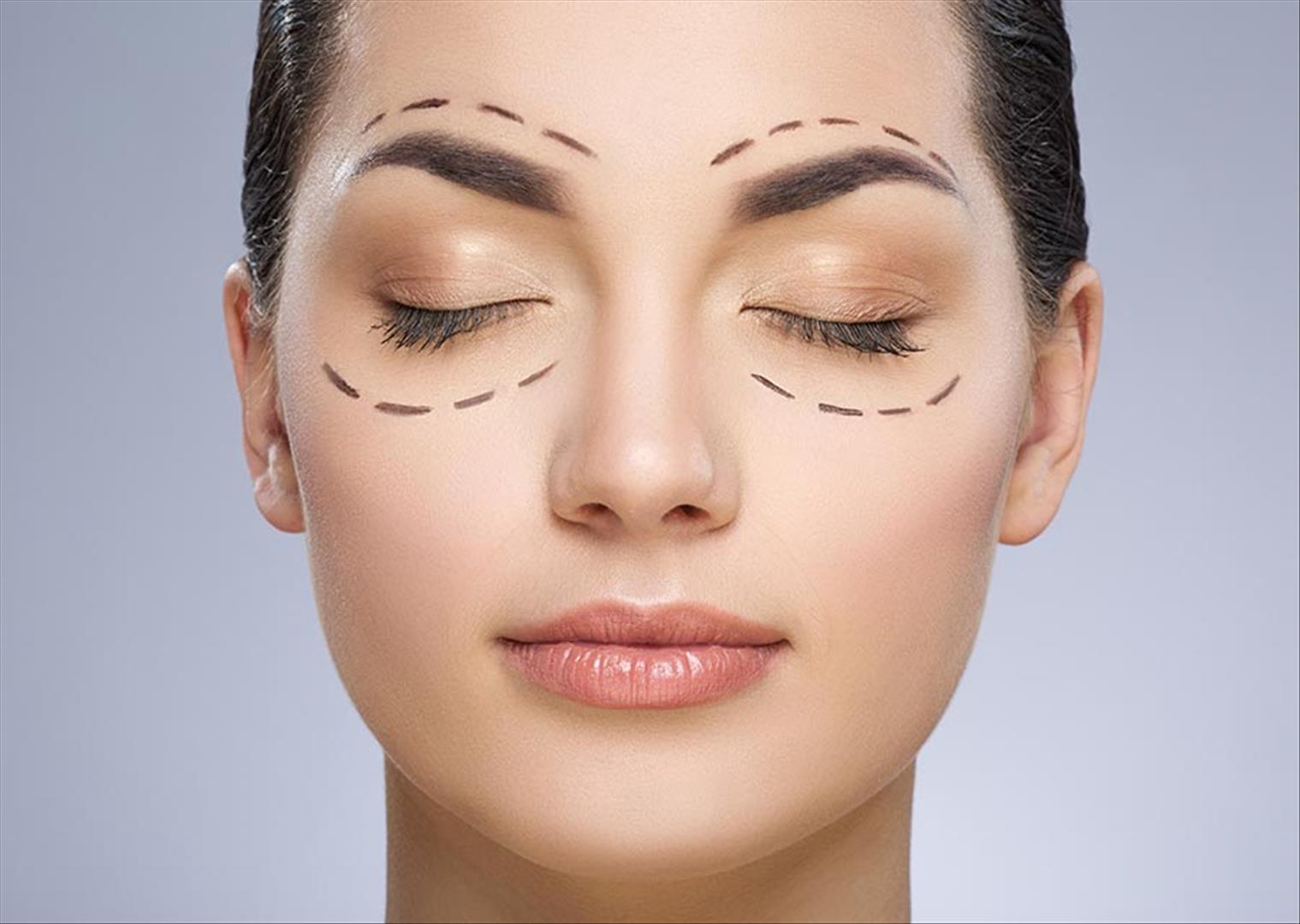
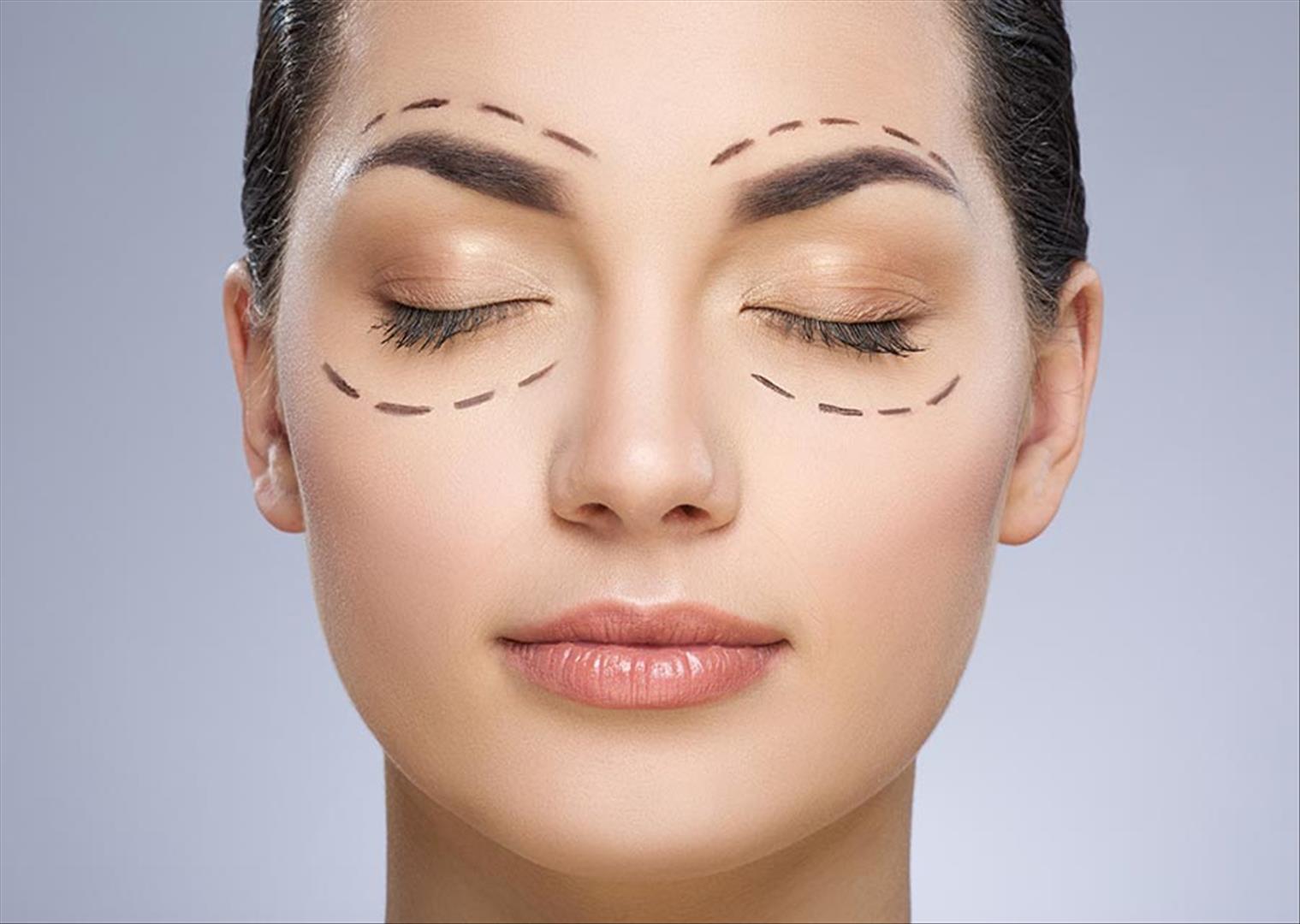
Lower eyelid blepharoplasty is a surgical procedure performed to restore a youthful and refreshed appearance to the lower eyelids. The goals of surgery include smoothing the lower eyelid–cheek junction, reducing or repositioning protruding orbital fat (“eye bags”), correcting hollowness and depressions beneath the eyes, and improving excess skin and wrinkles when present. Modern lower blepharoplasty focuses not only on removing excess tissue, but also on restoring natural eyelid contours while preserving a balanced and youthful appearance.


How Is Lower Eyelid Blepharoplasty Performed?

Lower eyelid blepharoplasty may be performed as an outpatient procedure under local anesthesia with sedation or under general anesthesia.

Two principal surgical approaches are used:

Transconjunctival (Internal) Approach

The transconjunctival approach involves an incision made on the inner surface of the lower eyelid, leaving no visible external scar. This technique is particularly well suited for younger patients who have prominent lower eyelid fat bulges without significant excess skin. Through the internal incision, protruding orbital fat may be removed or repositioned to improve the contour of the lower eyelid. Because the incision is located inside the eyelid, sutures are generally not required.

Transcutaneous (Subciliary) Approach

The subciliary approach involves a fine incision placed just beneath the eyelashes of the lower eyelid. This technique allows treatment of excess skin, laxity of the orbicularis oculi muscle, and more advanced age-related changes affecting the lower eyelid and cheek. The subciliary approach provides broader surgical exposure, enabling release of retaining ligaments and correction of conditions such as tear trough deformities, infraorbital hollowing, malar mounds, and festoons. Protruding orbital fat is commonly repositioned over the infraorbital rim to create a smooth transition between the lower eyelid and cheek while minimizing postoperative hollowness. When indicated, support procedures such as orbicularis muscle suspension and lower eyelid tightening may be performed to reinforce lower eyelid support and reduce the risk of postoperative eyelid malposition. Excess skin is conservatively trimmed, and the incision is closed with fine sutures.


What Can I Expect After Surgery?

Mild to moderate swelling and bruising are expected after surgery. Cold compresses are commonly applied during the first 48 hours to help reduce swelling and ecchymosis.

The degree of swelling and bruising varies among patients, but most visible signs of surgery improve substantially within 7–10 days. Residual swelling may continue to improve gradually over several weeks.


Will I Have a Bandage or Dressing?

A dressing is generally not required after lower eyelid blepharoplasty. Following an external approach, adhesive skin strips may be applied temporarily and removed within several days. Antibiotic ointment is typically applied to the incision line for approximately one week.

Lubricating eye drops and artificial tears may also be recommended during the early postoperative period to reduce dryness and irritation.


Will My Sutures Need to Be Removed?

If an external (subciliary) incision is used, skin sutures are typically removed approximately 5–7 days after surgery.


Will I Have Pain After Surgery?

Lower eyelid blepharoplasty is generally associated with minimal discomfort. Most patients experience only mild soreness or tightness, which is usually well controlled with oral pain medication for a few days after surgery.


Will There Be a Visible Scar?

Any skin incision results in a scar. However, the subciliary incision is carefully placed immediately beneath the eyelashes, where it is typically very well concealed. After complete healing, the scar is often difficult to detect.

The transconjunctival approach leaves no visible external scar.


When Can I Return to Work?

Recovery is generally rapid. Most patients are able to resume light daily activities within 1–3 days. Depending on the degree of bruising and swelling, patients typically feel comfortable returning to work and social activities within approximately 7–10 days.


When Can I Wear Makeup?

Makeup may generally be applied approximately 5–7 days after surgery, once the incision has healed sufficiently and after suture removal when applicable.


How Long Do the Results Last?

Although lower eyelid blepharoplasty cannot stop the natural aging process, its results are typically long-lasting. The longevity of the outcome depends on individual factors such as genetics, skin quality, lifestyle, sun exposure, and the ongoing effects of aging. Improvements often remain noticeable for 10–15 years or longer.